Good Health and Well-being
Support the transition towards cooking solutions that reduce exposure to household air pollution and improve living conditions.

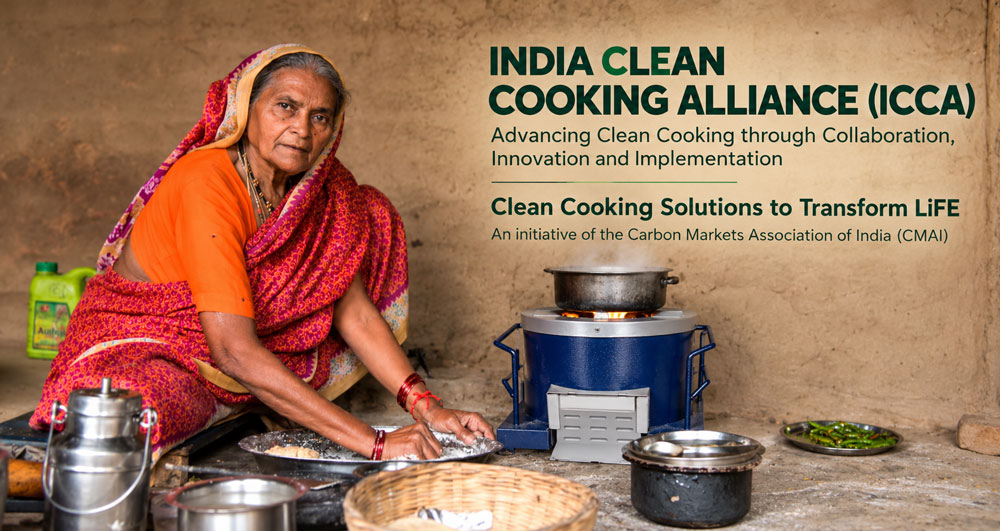
The India Clean Cooking Alliance (ICCA) is an initiative of the Carbon Markets Association of India (CMAI) established to advance access to clean cooking through stakeholder collaboration, technology cooperation, project development and implementation.
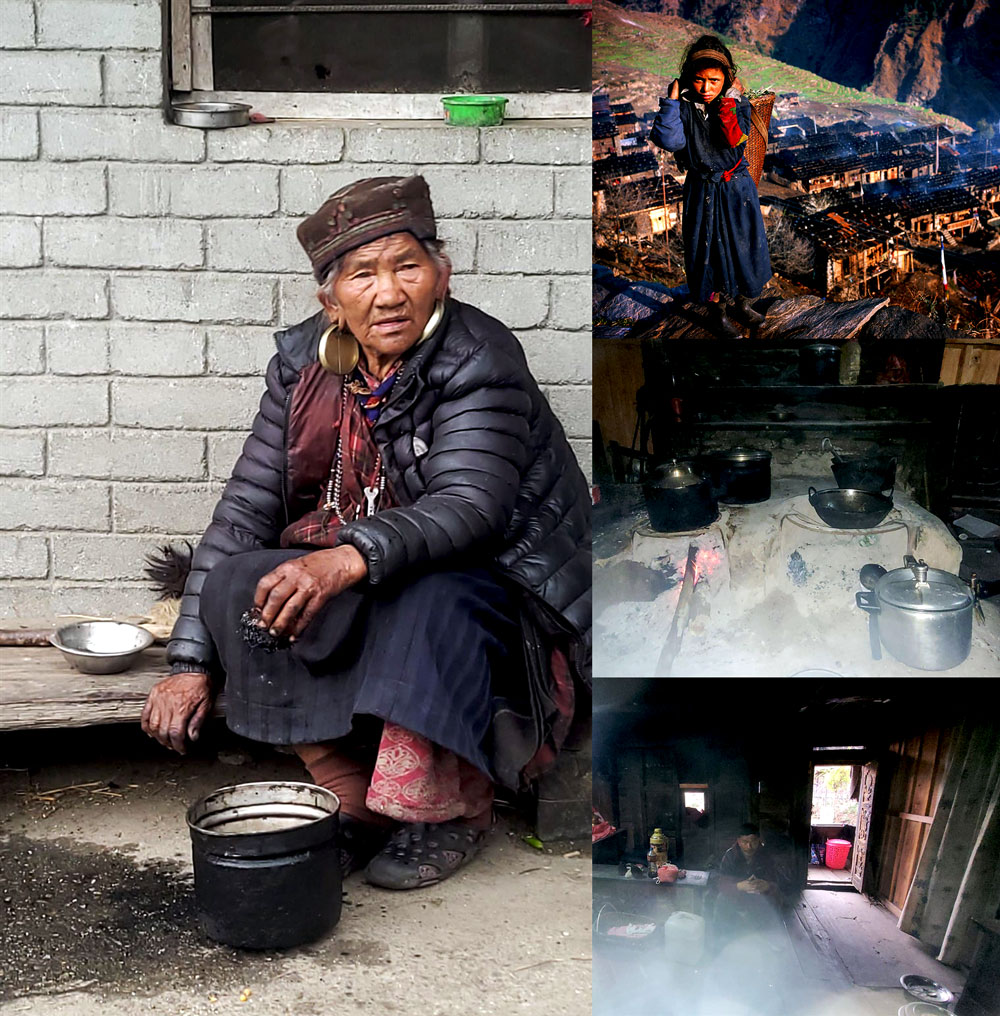
Clean cooking is an important component of sustainable development. It contributes to improved household health, energy security, environmental protection, climate action and inclusive economic development. Access to appropriate and affordable cooking solutions can also support women’s empowerment, reduce pressure on forests and improve the well-being of communities, particularly in underserved, rural, tribal and remote areas.
ICCA seeks to bring together stakeholders across the clean cooking value chain in India and internationally. The Alliance will facilitate knowledge exchange, institutional cooperation, capacity development and the development of initiatives that respond to community needs and local conditions. ICCA will adopt a technology-neutral and inclusive approach, recognising that clean cooking access may be advanced through different technologies, fuels and delivery models, depending on local circumstances.
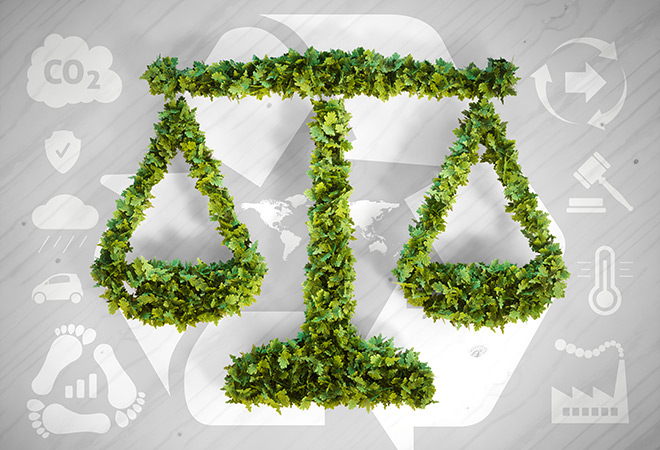
To contribute to universal access to sustainable, affordable and appropriate clean cooking solutions through collaborative action, innovation and effective implementation.
To establish a comprehensive, member-driven platform that connects public institutions, industry, technology providers, project developers, civil society, financial institutions, research organisations and communities to advance clean cooking initiatives.
ICCA’s mission is to:
Clean cooking access is closely connected to several development priorities.
Support the transition towards cooking solutions that reduce exposure to household air pollution and improve living conditions.
Recognise the role of women in household energy decisions and promote solutions that can reduce time and effort associated with traditional cooking practices.
Encourage diversified cooking energy options and locally appropriate solutions that can strengthen household and community energy resilience.
Support initiatives that contribute to emissions reduction, sustainable resource use and reduced pressure on forests, where applicable.
Promote access for rural, tribal, remote and underserved communities, with attention to affordability, accessibility and local needs.
ICCA’s work seeks to contribute to relevant Sustainable Development Goals, including SDG 3 (Good Health and Well-being), SDG 5 (Gender Equality), SDG 7 (Affordable and Clean Energy), SDG 10 (Reduced Inequalities), SDG 13 (Climate Action) and SDG 15 (Life on Land).
ICCA recognises that clean cooking transitions require a range of solutions suited to different geographies, household requirements, infrastructure conditions and energy resources.
The Alliance will engage across the clean cooking value chain, including:
No single technology is considered universally suitable. The selection of solutions should be informed by community requirements, affordability, availability of energy resources, local infrastructure, safety, sustainability and long-term usability.
ICCA seeks to support clean cooking initiatives through a comprehensive project-development and implementation approach.
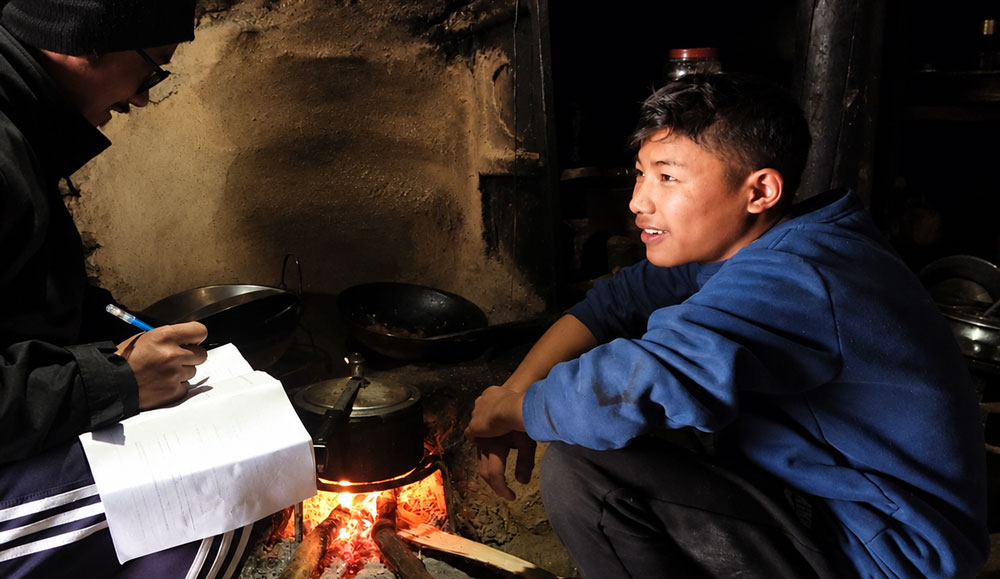
Identify priority regions and communities through stakeholder engagement, field-level knowledge and an assessment of local cooking practices and needs.
Consider suitable technologies, fuels and delivery models based on local conditions, affordability, accessibility and sustainability.
Support the development of project concepts, including objectives, target beneficiaries, implementation arrangements and expected outcomes.
Facilitate technical, financial, social and environmental assessments, as appropriate, to strengthen project readiness.
Connect relevant stakeholders and facilitate discussions with potential CSR partners, development institutions, financial institutions and climate-finance stakeholders.
Support implementation partnerships, training, awareness, community engagement and the development of local capabilities.
Encourage appropriate monitoring of project outcomes, including access, adoption, usability, health-related co-benefits, environmental outcomes and other relevant indicators.
Facilitate knowledge exchange and collaboration to support the replication and expansion of viable initiatives.
Project development, financing, implementation and outcomes will depend on project-specific assessments, partnerships, resources and applicable requirements.
ICCA, supported by CMAI’s institutional network and expertise, will facilitate collaboration to advance clean cooking initiatives through:
Dialogue among government, industry, civil society, communities and development partners.
Connections between technology providers, project developers, implementing organisations and potential partners.
Facilitating project identification, feasibility assessment, methodology screening, documentation planning, monitoring frameworks and connections with relevant technical experts.
Helping eligible projects explore carbon-credit mechanisms, climate finance, impact investment and other potential funding pathways to improve project viability and scalability.
Knowledge-sharing, training, workshops and technical exchanges.
Development and dissemination of insights, case studies, implementation lessons and sectoral perspectives.
Promotion of appropriate approaches to monitoring, reporting and evaluating project outcomes.
ICCA facilitates engagement and collaboration but does not guarantee funding, carbon-credit issuance, buyers, project approvals or specific outcomes.
The India Clean Cooking Alliance (ICCA) welcomes organisations, institutions and individuals working to advance clean cooking access in India and internationally.
Companies contributing to clean cooking access, sustainable development and responsible business practices.
Manufacturers and innovators in electric cooking, improved cookstoves, cleaner fuels, bioenergy, biogas and related solutions.
Organisations developing or implementing clean cooking projects, programmes and community initiatives.
Companies, foundations and institutions supporting community development and clean cooking initiatives.
Banks, investors, financial and development-finance institutions, and climate-finance organisations.
Carbon project developers, market participants, technical experts and organisations engaged in climate and carbon-market activities.
Organisations working in community development, clean energy access, women’s empowerment, tribal development and rural livelihoods.
Community institutions, representatives and organisations working with tribal, indigenous, rural and remote communities.
Relevant ministries, departments, public agencies and state or local institutions.
Universities, research and technical institutions, and national or international development organisations.
Professionals, researchers, practitioners and experts contributing to clean cooking access and sustainable development.
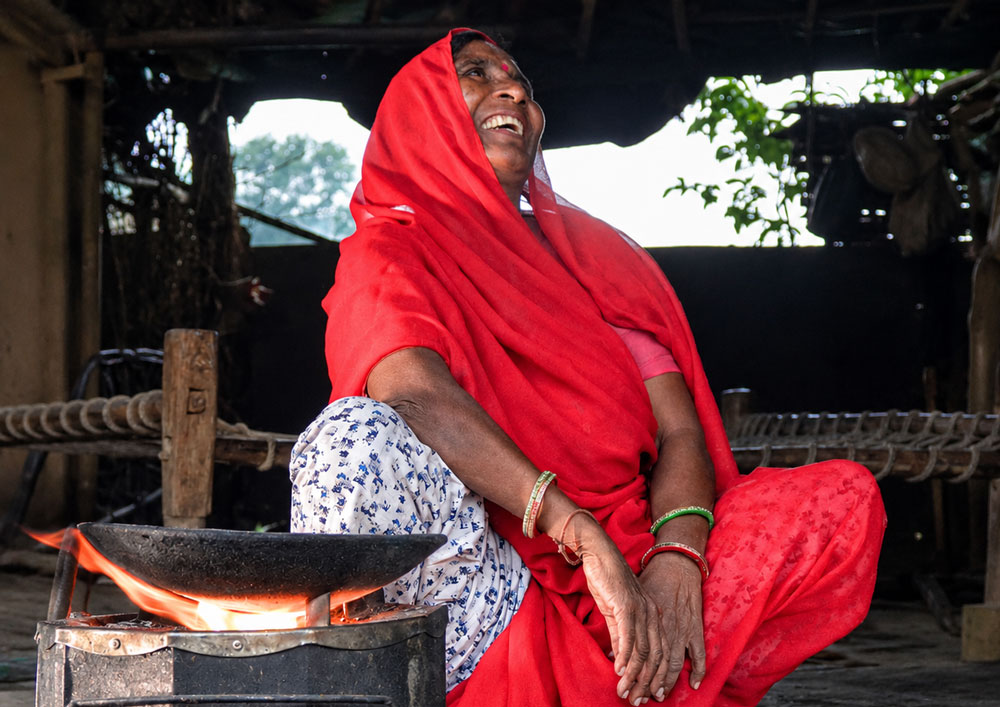
ICCA provides a collaborative platform for stakeholder engagement, partnership development, project facilitation, technology exchange, capacity-building, knowledge-sharing and the exploration of potential financing and clean cooking opportunities across the ecosystem.
Be part of a collaborative network working to expand clean cooking access and advance sustainable clean cooking solutions in India and internationally.
ICCA seeks to be a member-driven platform shaped by the knowledge, experience and priorities of its members.
The Alliance will encourage contributions from industry, technology providers, project developers, financial institutions, civil society, research organisations and community representatives.
ICCA will seek to ensure that community perspectives and implementation experience inform the development of clean cooking initiatives.
Clean cooking initiatives can contribute to a range of social, environmental and development priorities.
ICCA seeks to facilitate engagement around initiatives that may support:
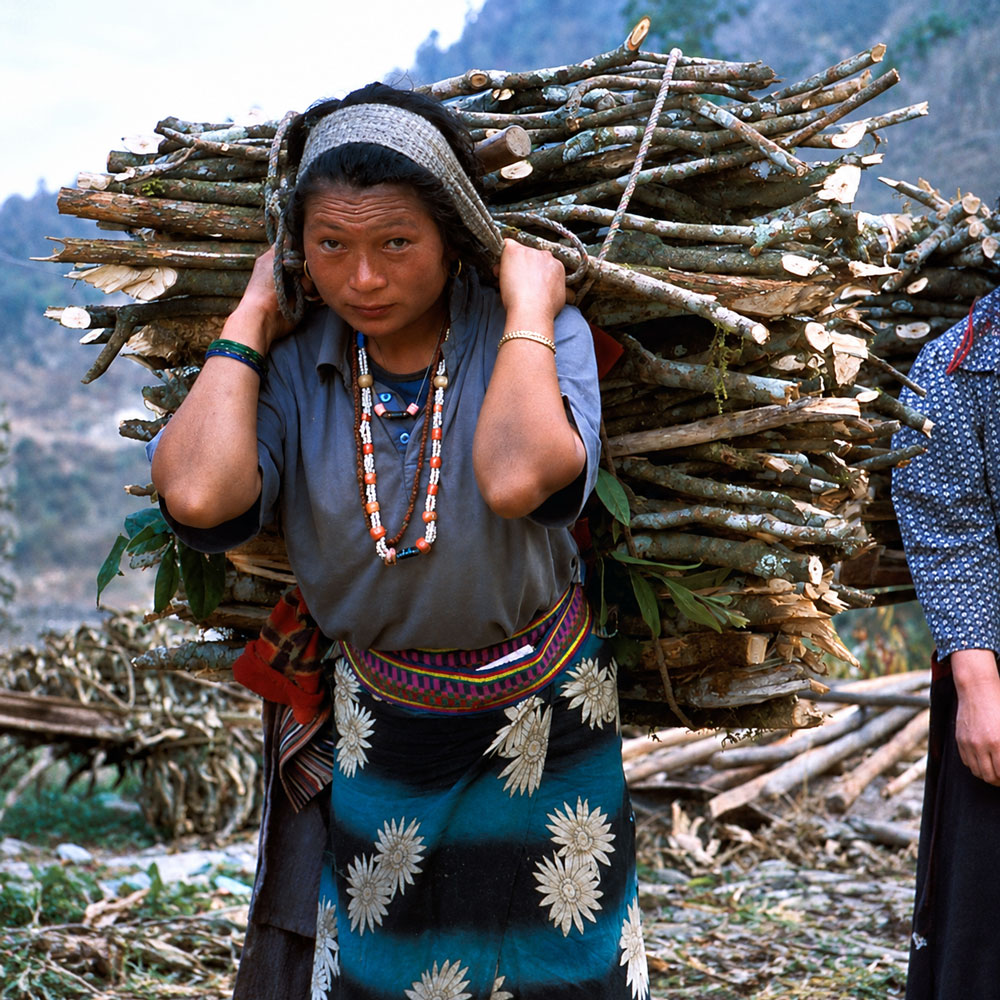
ICCA recognises the importance of authentic field-level experience in advancing clean cooking access. The Alliance will seek to share insights from communities, project implementers, technology providers, researchers and other stakeholders.
ICCA intends to develop its activities through a phased approach.
ICCA aspires to contribute to clean cooking access at scale, including a proposed ambition to reach one million households—approximately five million people—over years four to five and beyond.
This is a long-term ambition and is subject to project development, funding, partnerships, implementation capacity, baseline assessments and the achievement of measurable outcomes.
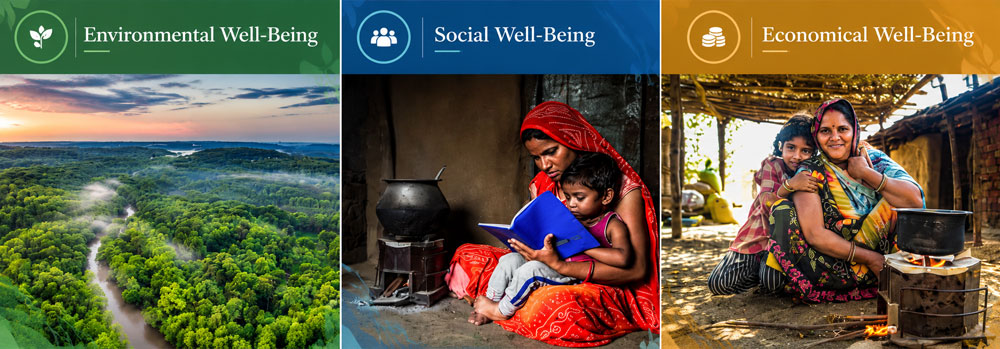
The Three Ps of Sustainability — Planet, People and Profit: Advancing environmental protection, social well-being and economic viability to achieve sustainable and inclusive prosperity.

Chairman, India Clean Cooking Alliance (ICCA)
Secretary General, Carbon Markets Association of India (CMAI)
ICCA invites organisations and individuals working across the clean cooking ecosystem to engage with the Alliance and contribute to the advancement of clean cooking access.
Whether you are a technology provider, project developer, corporate, CSR institution, financial organisation, research institution, civil society organisation or community representative, your experience and participation can contribute to the development of appropriate and sustainable clean cooking initiatives.